


The Benefits of a Flexible Heated Hose in Small Spaces

Working in tight, confined environments is part of the job for many spray foam, polyurea, and coatings contractors. Crawl spaces, attics, mechanical rooms, trailers, and retrofit projects rarely offer the luxury of open layouts or straight hose runs. In these settings, hose performance has a direct impact on productivity, material quality, and operator fatigue. A flexible heated hose is not just a convenience in small spaces; it’s a practical advantage that can significantly improve daily operations.
For experienced operators, the conversation is no longer about whether a heated hose is necessary. The focus has shifted to how well that hose performs when space is limited and movement matters. The benefits of a flexible heated hose in small spaces play a role in making confined jobs more manageable and profitable.
Why Small Spaces Create Big Challenges for Hose Management
Small spaces amplify every weakness in a hose system. Limited clearance means tighter bends, sharper turns, and frequent repositioning as the applicator moves through the work area. A stiff or bulky hose can fight against the operator at every step, increasing setup time and making it harder to maintain clean, controlled spray patterns.
In confined environments, hoses are more likely to rub against walls, joists, and equipment. This constant contact adds wear and tear while also increasing the risk of kinks or hot spots. When the hose cannot flex naturally, operators often compensate by forcing it into position, which can strain fittings and shorten service life. Over the course of a long project, these small inefficiencies add up.
Improved Maneuverability Where It Matters Most
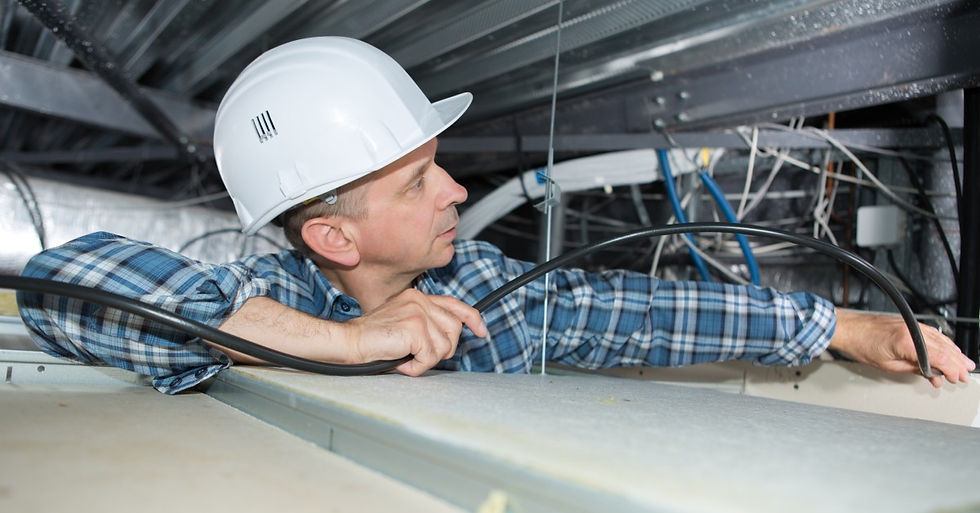
Flexibility is one of the most immediate benefits of a well-designed heated hose. In small spaces, the ability of the hose to bend smoothly and hold its shape without excessive resistance allows operators to focus on the application rather than fighting their equipment.
A flexible heated hose moves with the applicator instead of working against them. This is especially important in crawl spaces and attics where body positioning is already awkward. Reduced resistance translates to smoother transitions, fewer pauses to reposition the hose, and a more consistent workflow from start to finish. For crews working long shifts, this improvement in handling can noticeably reduce physical strain.
Consistent Heat Delivery in Confined Environments
Maintaining material temperature is critical for proper coating performance. In small spaces, inconsistent hose heating can become a bigger issue due to tighter bends and reduced airflow around the hose. A flexible heated hose designed with uniform heat distribution helps prevent cold spots that can affect mix quality and yield.
When the hose flexes without stressing internal components, the heating elements remain evenly supported. This helps maintain stable temperatures throughout the length of the hose, even when routed through narrow passages or around obstacles. Consistent heat means predictable material behavior, better adhesion, and fewer application issues that require rework.
Reduced Risk of Kinks and Flow Restrictions
Kinking is one of the most common problems encountered when running hoses through tight spaces. A rigid hose is more likely to collapse at sharp bends, restricting material flow and putting unnecessary strain on pumps and proportioners. These restrictions can cause pressure fluctuations that impact spray quality and equipment performance.
A flexible heated hose is engineered to maintain its internal diameter even when bent. This allows material to flow smoothly without interruption, supporting stable pressure and consistent output. Over time, this can help reduce wear on upstream components and lower the likelihood of unexpected downtime during critical phases of a job.
Faster Setup and Tear-Down in Tight Jobsites
Time spent wrestling with hoses during setup and tear-down is time not spent spraying. In small spaces, getting a stiff hose into position can be one of the most frustrating parts of the job. Flexibility simplifies routing, making it easier to run hoses through access points, around framing, and into position without repeated adjustments.
A hose that coils and uncoils easily also speeds up tear-down at the end of the day. Crews can pack up faster, reduce jobsite fatigue, and move on to the next project more efficiently. Over multiple jobs, these time savings can have a meaningful impact on overall productivity.
Improved Operator Control and Spray Accuracy
Control is critical when spraying in confined areas. Overspray, uneven coverage, and material waste are more likely when the operator is distracted by hose drag or resistance. A flexible heated hose supports smoother, more controlled movements, allowing the applicator to maintain proper distance and angle throughout the spray pass.
This improved control is especially valuable when working around obstacles such as wiring, plumbing, and structural elements. When the hose follows the operator’s movements naturally, it becomes easier to maintain clean edges and consistent thickness, reducing the need for touch-ups and corrections.
Less Wear on Fittings and Connection Points
In small spaces, hoses are frequently bent near fittings and connection points. Excessive stiffness can concentrate stress in these areas, leading to premature wear or failure. A flexible heated hose distributes bending forces more evenly along its length, reducing strain on critical connections.
This can extend the life of both the hose and the connected equipment. Fewer fitting failures mean less downtime, fewer emergency repairs, and a lower total cost of ownership over the life of the hose system. For contractors running multiple rigs, these reliability gains are especially valuable.
Better Performance in Retrofit and Repair Work
Retrofit projects often involve working within existing structures where access is limited and pathways are unpredictable. In these scenarios, flexibility is not optional; it’s essential. A heated hose that can adapt to irregular routes without compromising performance allows crews to take on a wider range of jobs with confidence.
Whether spraying insulation in older buildings or applying coatings in cramped mechanical spaces, a flexible heated hose helps maintain professional results even in challenging conditions. This adaptability can open the door to more specialized work and reduce the need to turn down jobs due to access concerns.

Supporting Long-Term Efficiency and Crew Comfort
Over time, equipment that is easier to use contributes to better crew morale and lower physical fatigue. In small spaces, the physical demands of the job are already higher. A flexible heated hose reduces unnecessary effort, helping operators work more comfortably and maintain focus throughout the day.
From a business perspective, this can support long-term efficiency by reducing operator burnout and minimizing errors caused by fatigue. When crews are less strained, they are more likely to maintain consistent quality and safety standards across every project.
Why Hose Design Matters More Than Ever
As coating applications continue to expand into more complex environments, hose design plays a larger role in jobsite success. Flexibility, heat consistency, and durability are no longer secondary considerations. In small spaces, they are essential performance factors that directly affect outcomes.
Knowing the benefits of a flexible heated hose helps ensure that confined projects run smoothly from setup to final spray. For experienced operators, the right hose is not just a component; it is a critical tool that supports precision, efficiency, and reliability in every square foot of space, no matter how tight.


