


Why Hose Flexibility Matters for Spray Foam Work

Efficient spray foam work requires not only advanced equipment but also accessories that ensure flexibility, precision, and ease of use. Among these, the importance of a flexible spray foam hose is something you must consider, as it directly impacts the quality of application, the comfort of the operator, and the durability of the equipment. Explore why hose flexibility matters for spray foam work and how it’s essential for professionals aiming to deliver top-notch results without unnecessary setbacks or inefficiencies.
Boosting Application Precision
Hose flexibility plays a central role in achieving precise spray foam applications. A rigid or inflexible hose can make it difficult for operators to maneuver around tight corners, intricate spaces, or hard-to-reach areas. Spray foam work often involves detailed coverage, such as sealing gaps in walls or insulation in roofing systems.
A flexible hose adapts to the various angles and positions required during such tasks, ensuring accuracy in the application. When the operator has greater control over the hose, the consistency of foam distribution improves, reducing instances of overspray or inconsistent coverage.
A flexible hose allows for smoother transitions between different surface types and orientations. Whether working on vertical walls, overhangs, or horizontal surfaces, flexibility provides the operator with the ability to maintain an even coat of spray foam, optimizing the results and improving the efficiency of the project. Over time, this precision translates into reduced waste and lower material costs, benefiting both the contractor and client.
Enhancing Operator Comfort and Productivity
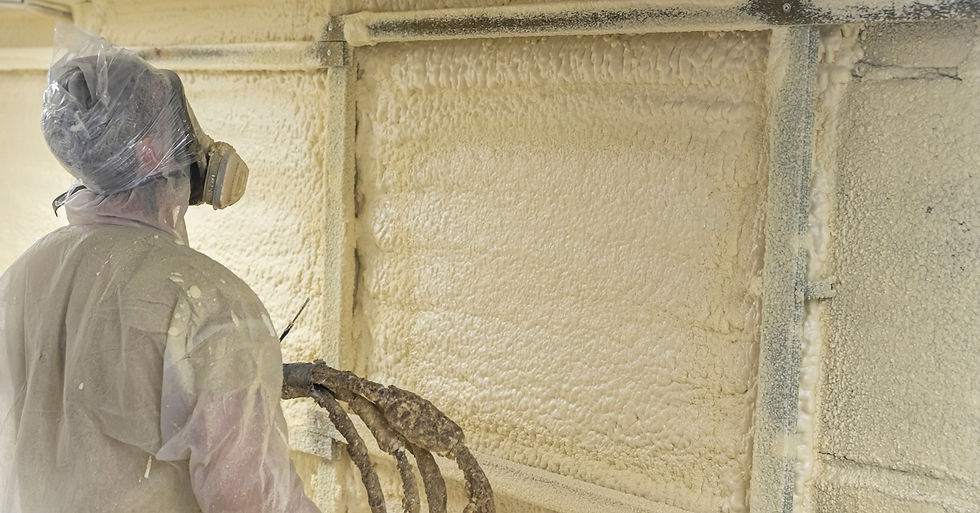
Anyone who has worked long hours on a spray foam job knows that comfort is key to maintaining focus and productivity. A stiff or cumbersome hose can lead to operator fatigue, particularly when managing large-scale projects or working in confined, awkward spaces. The strain of constantly handling an inflexible hose adds unnecessary physical effort and may result in a slower work pace.
Flexible hoses, on the other hand, provide ease of movement, reducing the physical toll on the operator. This ergonomic benefit directly contributes to higher productivity levels, as professionals can focus on application techniques rather than wrestling with equipment. Enhanced comfort also minimizes the risk of operator errors caused by fatigue, ensuring that the quality of work remains consistent from start to finish.
For businesses, investing in flexible hoses can translate into greater job satisfaction among workers and fewer downtime issues, ultimately leading to smoother project timelines and better relationships with clients.
Reducing Equipment Wear and Tear
The flexibility of the hose not only benefits the operator but also safeguards the longevity of the spraying equipment. A rigid hose is more likely to experience kinks or bends during operation, especially when navigating around challenging work environments. These kinks can disrupt the flow of material through the hose, causing inconsistent pressure levels and potentially damaging the spray foam machine.
Flexible hoses are designed to withstand frequent bending and maneuvering without compromising their structural integrity. By preventing unnecessary strain and blockages, they help maintain steady pressure and material flow, which is critical for the proper functioning of the entire spray foam system. Over time, this reduces the likelihood of costly maintenance or repairs, saving money for contractors and ensuring uninterrupted operations.
Flexible hoses are often made with materials that resist cracking and degradation, even when subjected to the extreme temperatures or chemical exposure common in spray foam work. This durability not only promotes smoother workflows but also extends the lifespan of the equipment, making it a valuable investment for professionals.
Adapting to Varied Projects and Environments
Spray foam applications are as diverse as the projects they serve. From residential insulation to large-scale industrial or commercial settings, differing environments demand adaptability from spray foam equipment. Flexible hoses allow operators to meet these varying demands with ease, regardless of the project’s size or complexity.
For example, jobs that require extensive movement or operation in confined spaces can benefit greatly from a flexible hose that provides the freedom to move without restriction. Similarly, tasks that involve navigating around obstacles or working in extreme weather conditions become far more manageable. Flexible hoses ensure that the equipment performs reliably, no matter the circumstances, offering contractors a versatile solution for a broad range of challenges.
This adaptability becomes particularly important when transitioning between different types of spray foam, such as open-cell and closed-cell insulation. Each type has unique requirements for pressure and application, which a flexible hose can better accommodate without jeopardizing precision or consistency.
Meeting Safety Standards on the Job
Safety is paramount in any construction or insulation project, and the flexibility of spray foam hoses plays a crucial role in preventing accidents and ensuring a safe environment. A stiff or heavy hose can cause tripping hazards, become entangled in equipment, or even lead to unintended chemical spillage during application.
Flexible hoses reduce these risks by allowing for better control and maneuverability. Operators can handle the equipment with greater confidence, minimizing the chances of accidents caused by resistance or lack of responsiveness during operation. Flexible hoses typically allow for smoother connections to other equipment components, reducing the potential for leaks or mechanical failures that could compromise workplace safety.
Investing in high-quality, flexible hoses ensures that contractors meet stringent safety standards while maintaining the integrity of their operations. Improved safety practices also enhance trust and credibility among clients, reinforcing the professional reputation of the business.

Delivering a Professional Finish
Ultimately, hose flexibility directly affects the quality of the finished product. Whether insulating a residential attic or applying foam for a commercial roofing job, the objective is to deliver a seamless, professional-grade finish that exceeds client expectations. Flexible hoses contribute to this goal by ensuring even application, reducing errors such as under-sprayed areas, streaks, or inconsistent thickness.
A professional finish is not only critical for meeting client satisfaction but also for achieving long-term performance. Spray foam must be applied correctly to provide effective insulation, soundproofing, or moisture control. Flexibility in equipment ensures that contractors can meet these functional requirements while maintaining an aesthetically pleasing result.
By prioritizing hose flexibility in their setup, professionals demonstrate a commitment to excellence in every aspect of their work. This commitment enhances business reputation and paves the way for repeat clients and long-term success in a competitive industry.
A Worthwhile Investment for Spray Foam Professionals
The benefits of spray foam hose flexibility extend far beyond just maneuverability. They influence application precision, operator comfort, equipment durability, adaptability to diverse projects, and overall safety, all factors that contribute to a professional-grade outcome. Spray foam professionals who invest in flexible hoses are not only improving their workflows but are also making a smart business decision that saves time, resources, and costs in the long run.
For contractors intent on staying ahead in the spray foam industry, prioritizing high-quality flexible hoses is a no-brainer. Whether it’s to ensure consistent results or to meet the growing demands of clients, hose flexibility is an indispensable factor for success in delivering exceptional spray foam services.


